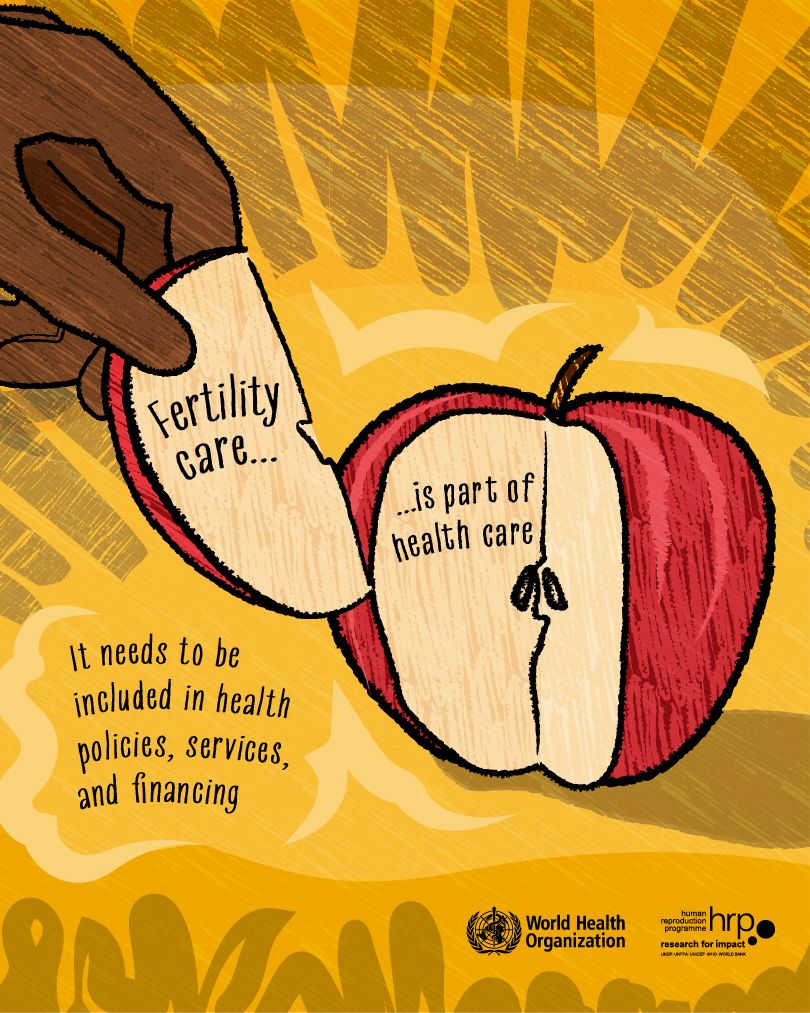



The Coalition for Fertility has released a new policy paper calling for stronger recognition of the mental health impact of involuntary childlessness and concrete action across Europe. The paper highlights that infertility and fertility treatment are not only medical issues, but profound life experiences that can affect emotional wellbeing, relationships, finances, and social participation.
For many people, involuntary childlessness involves repeated cycles of hope and disappointment, long waiting periods, and difficult treatment decisions. These experiences can lead to stress, emotional exhaustion, stigma, and uncertainty about the future. The psychological impact affects people across genders, family structures, and cultural contexts.
The policy paper stresses that mental health challenges are often worsened by structural barriers such as limited funding, unequal access to treatment, and restrictive eligibility rules. Addressing these systemic issues, alongside psychosocial support, is essential to improve quality of life.
The Coalition calls for fertility to be recognised as a determinant of mental health and integrated into EU and national mental health strategies, workplace policies, and research agendas. Better data collection and publicly funded research are needed to inform effective care and policymaking.
A key recommendation is that psychosocial support should become a routine part of fertility care. Clinics should include trained mental health professionals, provide early screening for psychological distress, and offer decision-making counselling throughout the treatment journey. Support should be inclusive and trauma-informed, addressing issues such as chronic conditions, pregnancy loss, and donor conception.
The paper also emphasises the need for long-term support beyond treatment. Mental health challenges can persist even after treatment ends, regardless of the outcome. Dedicated services should help individuals and couples adjust, redefine life goals, and build fulfilling lives after infertility.
Finally, the Coalition underlines the role of the wider health system. Many people need support when they are affected by involuntary childlessness even if they decide not to have fertility treatment. They may need support before, during and after treatment, so general mental health services should be equipped with fertility-related competencies.
The Coalition for Fertility calls on EU institutions, national governments, and healthcare providers to act now to ensure that everyone facing fertility challenges receives comprehensive, person-centred support throughout their journey.
You can download the new policy paper here